


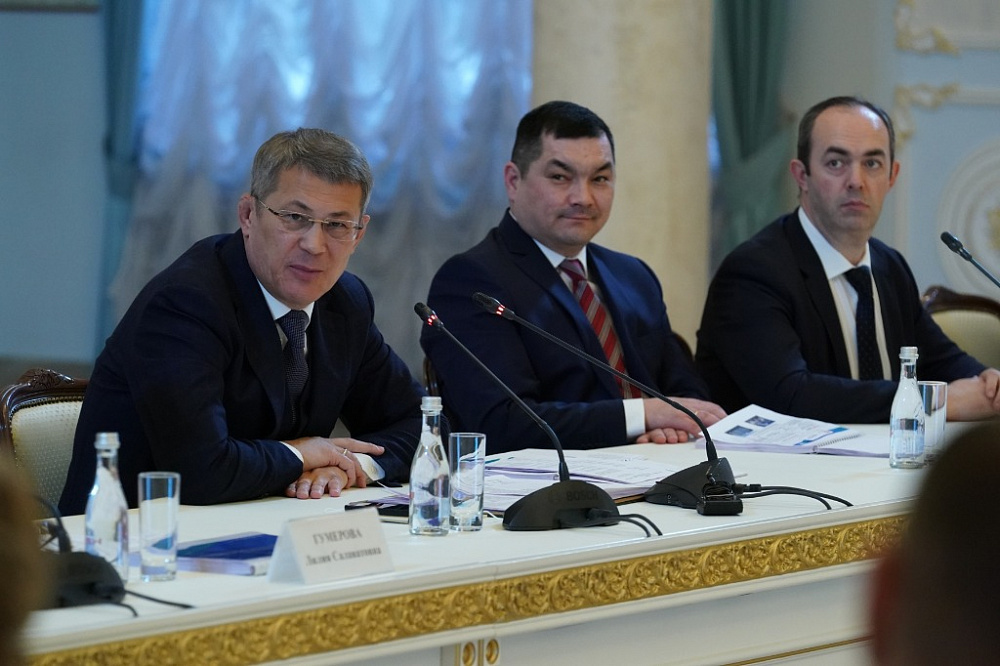
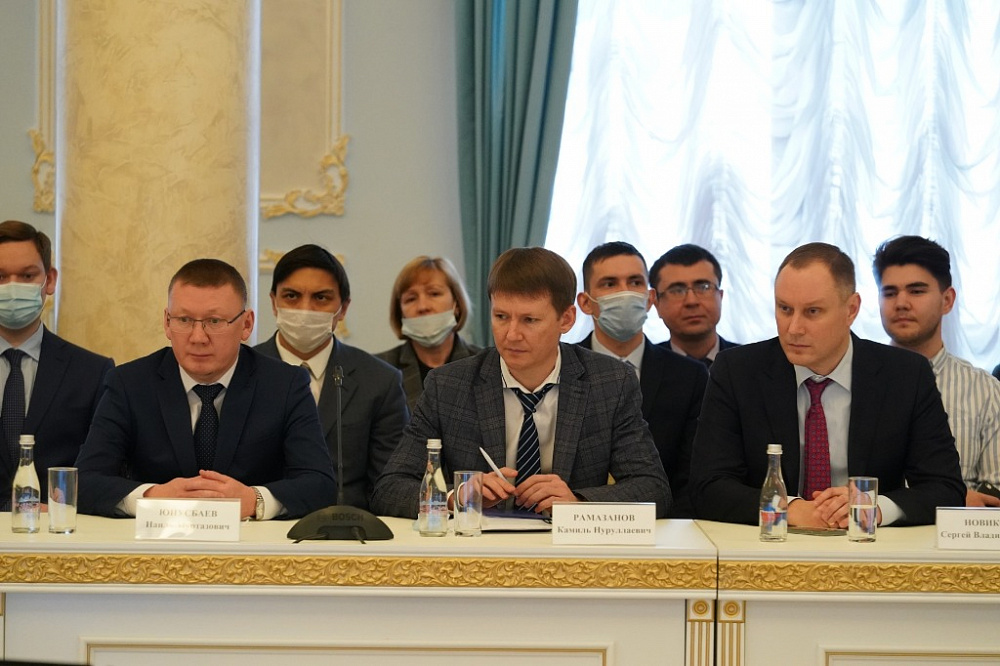
The head of Bashkortostan, Radiy Khabirov, held an expanded meeting of universities and scientific institutions of the world-class Eurasian REC. It is timed to the end of the Year of Science and Technology in the Russian Federation.
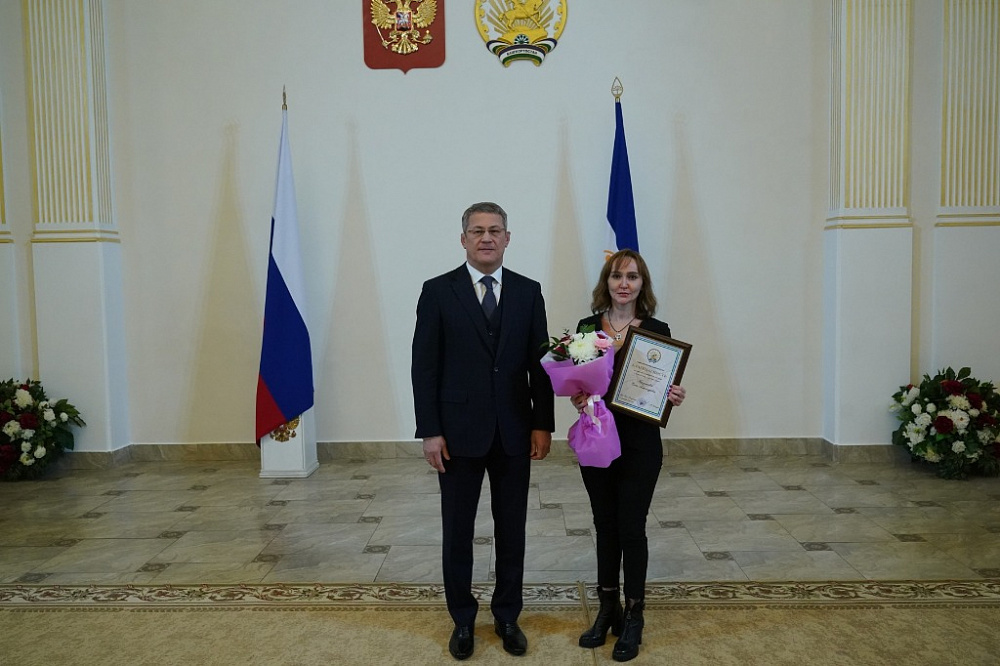
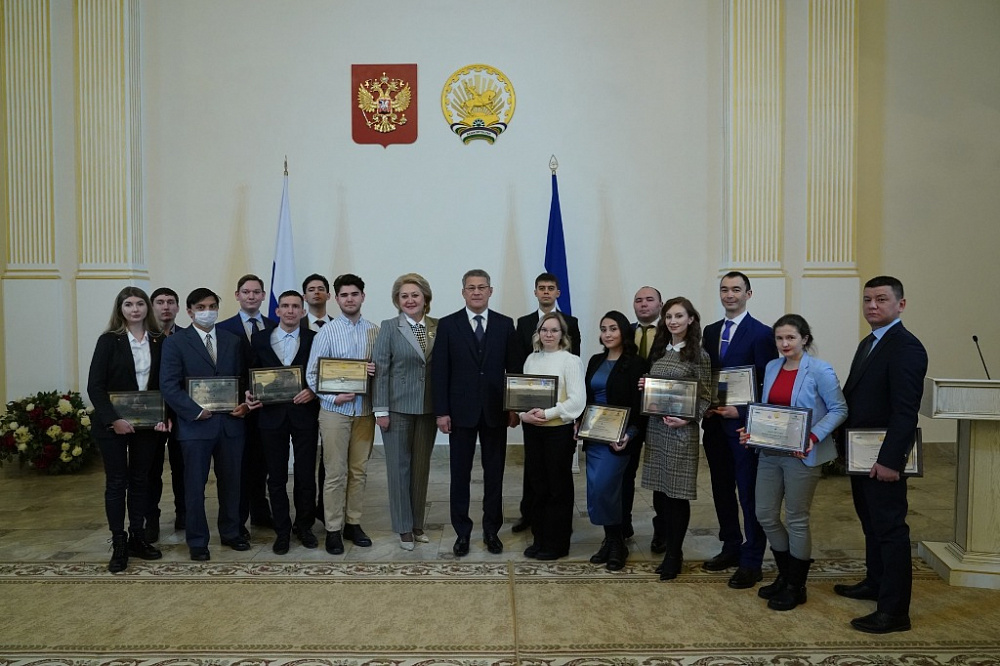
During the meeting, the presentation of grants from the Republic of Bashkortostan for state support of young scientists of the Eurasian REC took place. Among the grantees, there are four representatives of the USATU - candidates of sciences Yulia Modina and Ruslan Vafin, graduate students Ruslan Urazbakhtin and Alexey Nikolaev.
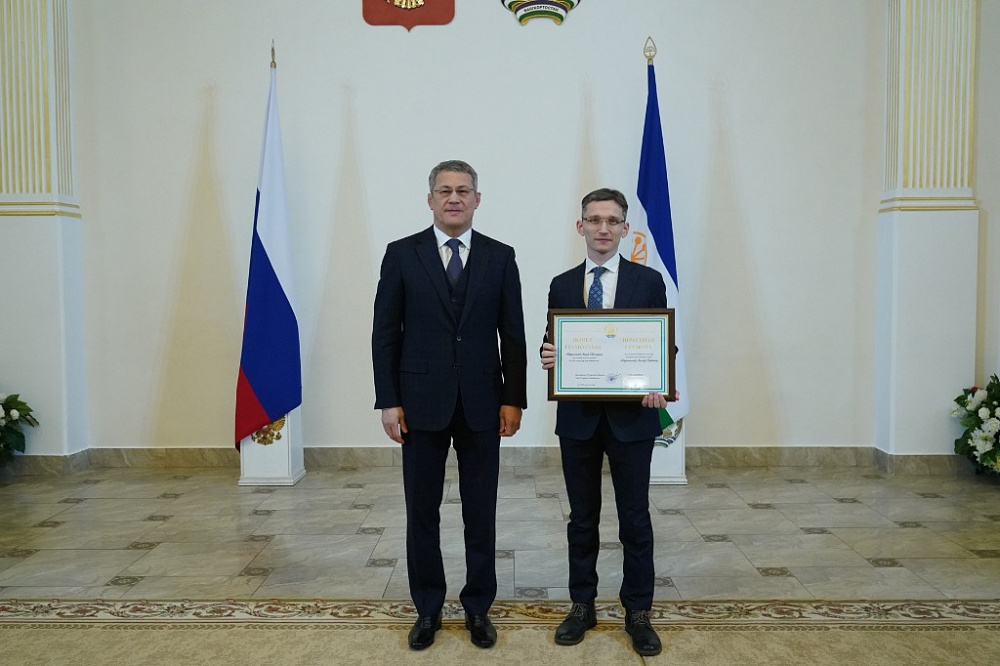
The honorary diploma of the Republic of Bashkortostan was awarded to the candidate of technical sciences, associate professor of the department of automated control systems, acting Head of the Research Department Ansaf Abdulnagimov.
The Head of the Republic of Bashkortostan was awarded the heads of the youth laboratories of REC based at USATU Elizaveta Grakhova (sensor systems based on integrated photonics devices) and Elena Korznikova (metals and alloys under extreme influences).
Elena Korznikova spoke about the REC youth laboratories as an example of an effective social lift for young scientists and the integration of academic and university science.
She noted that in 2021, within the framework of the National Science and Universities project, 120 youth laboratories were created, associated with 15 newly created scientific and educational centers in Russia. Six of them were organized on the basis of the Eurasian REC in the Republic of Bashkortostan. Four laboratories have been opened at USATU and Bashkir State University, two at research institutes. All laboratory managers have international internship experience and highly rated publications.
The scientific directions of all laboratories correspond to the areas of interest of Bashkortostan, the global challenge of getting rid of raw materials dependence and the digital revolution, defined in the Strategy for Scientific and Technological Development of the Russian Federation.
“REC youth laboratories solve several problems, including the creation of interdisciplinary competitive research teams; determination of a clear trajectory for the development of a young researcher; integration with industry, creation of small innovative enterprises and start-ups; establishing vertical and horizontal links between areas and levels in science; the transition of the republic from a resource-based economy to a "knowledge economy", - stated Elena Korznikova.

Станьте соавтором УУНиТ! Присылайте свои новости в наш чат-бот в Telegram. Не забудьте прикрепить фото- или видео- материалы.